探索各类路径规划算法的Matlab实现
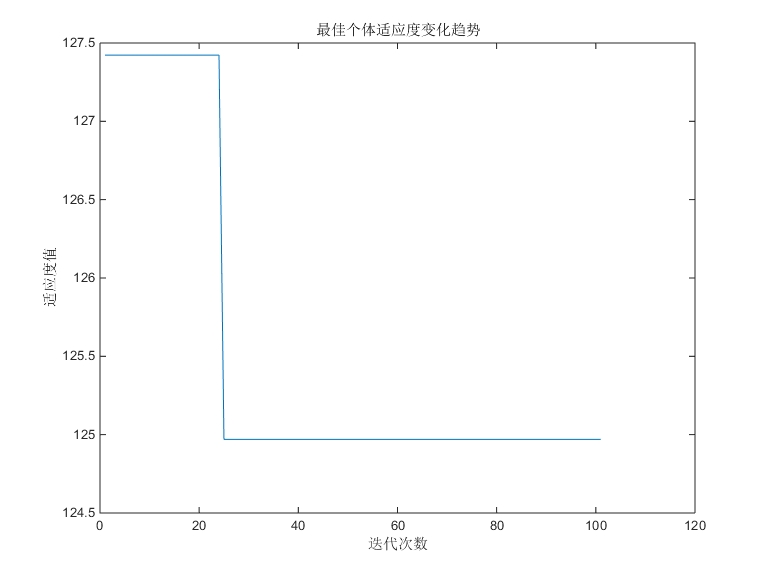
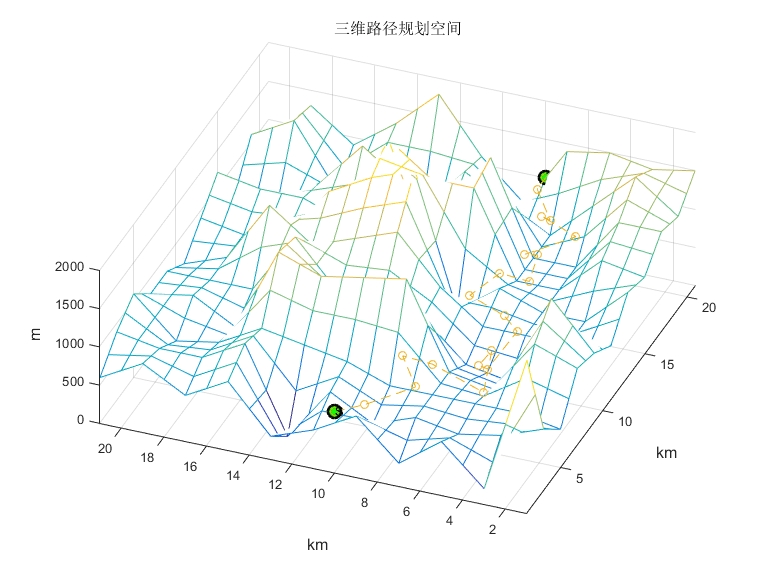
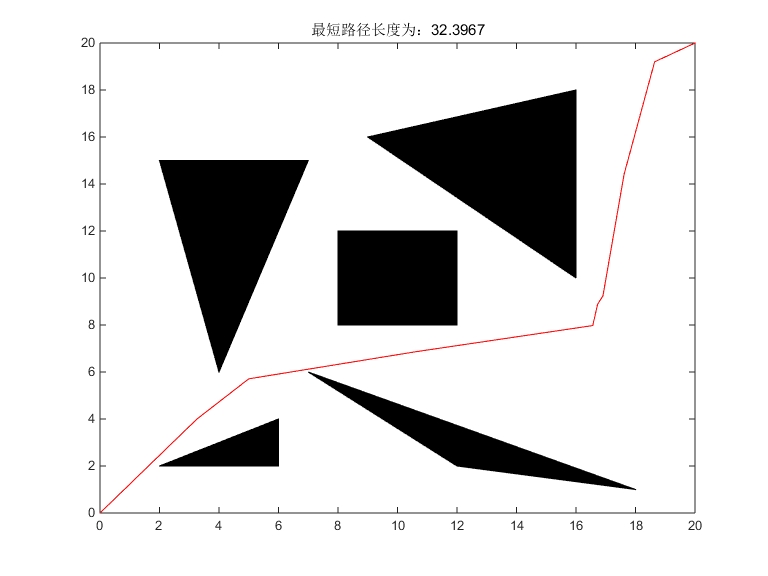
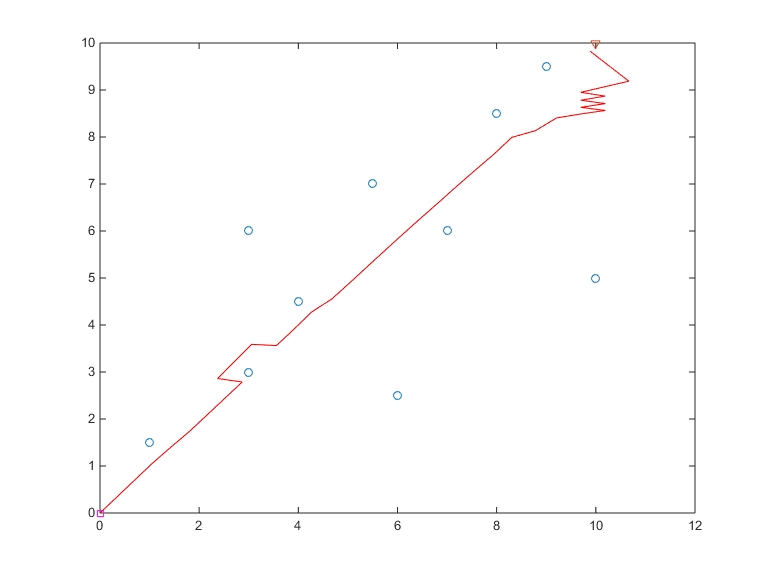
各种路径规划算法的Matlab程序: 1.遗传算法做路径规划 2. 蚁群算法做路径规划 3.模拟退火算法做路径规划 4. 遗传算法与模拟退火算法相结合来做路径规划。
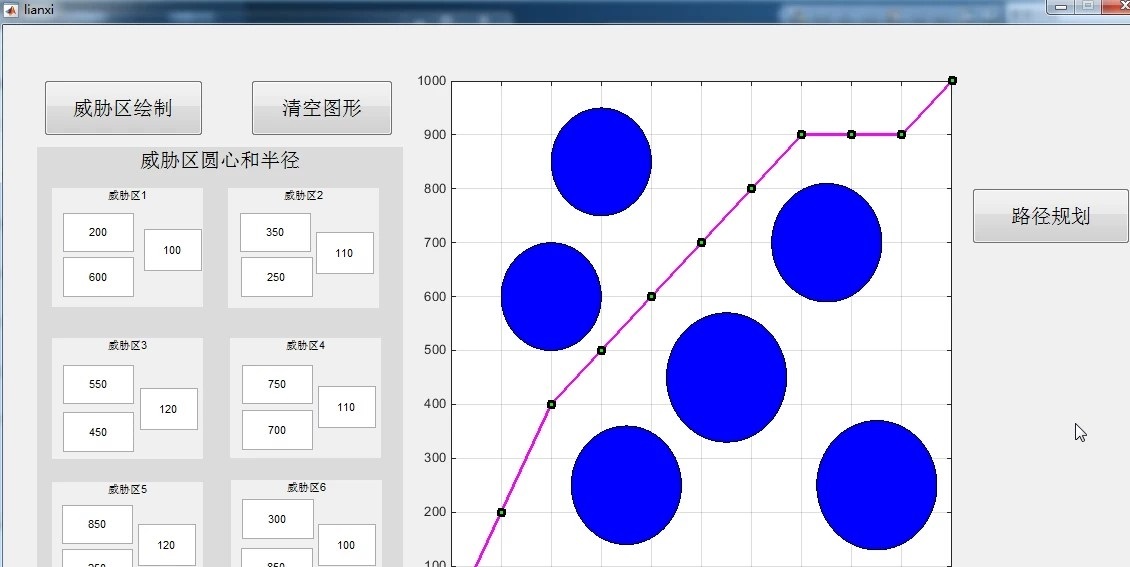
在路径规划领域,不同的算法各有千秋,今天咱们就来唠唠遗传算法、蚁群算法、模拟退火算法,以及遗传算法与模拟退火算法结合在Matlab里是咋实现路径规划的。
1. 遗传算法做路径规划
遗传算法模拟自然界生物进化过程,通过选择、交叉和变异等操作,不断优化路径。
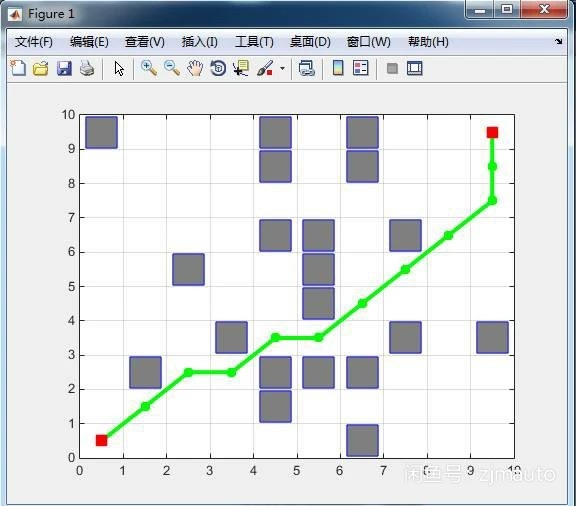
各种路径规划算法的Matlab程序: 1.遗传算法做路径规划 2. 蚁群算法做路径规划 3.模拟退火算法做路径规划 4. 遗传算法与模拟退火算法相结合来做路径规划。
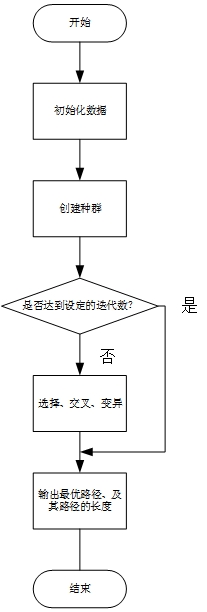
先来看关键代码部分:
% 初始化种群
function pop = initial_population(pop_size, chrom_length)
    pop = round(rand(pop_size, chrom_length));
end

% 适应度函数
function fitness = fitness_function(pop, distance_matrix)
    num_points = size(distance_matrix, 1);
    fitness = zeros(size(pop, 1), 1);
    for i = 1:size(pop, 1)
        path = [1, pop(i, :), 1];
        total_distance = 0;
        for j = 1:num_points
            total_distance = total_distance + distance_matrix(path(j), path(j + 1));
        end
        fitness(i) = 1 / total_distance;
    end
end

% 选择操作
function new_pop = selection(pop, fitness)
    total_fitness = sum(fitness);
    selection_prob = fitness / total_fitness;
    new_pop = pop(randsample(size(pop, 1), size(pop, 1), true, selection_prob), :);
end

% 交叉操作
function new_pop = crossover(pop, crossover_rate)
    new_pop = pop;
    num_pop = size(pop, 1);
    num_points = size(pop, 2);
    for i = 1:2:num_pop - 1
        if rand < crossover_rate
            crossover_point = randi([1, num_points - 1]);
            new_pop(i, 1:crossover_point) = pop(i, 1:crossover_point);
            new_pop(i, crossover_point + 1:end) = pop(i + 1, crossover_point + 1:end);
            new_pop(i + 1, 1:crossover_point) = pop(i + 1, 1:crossover_point);
            new_pop(i + 1, crossover_point + 1:end) = pop(i, crossover_point + 1:end);
        end
    end
end

% 变异操作
function new_pop = mutation(pop, mutation_rate)
    new_pop = pop;
    num_pop = size(pop, 1);
    num_points = size(pop, 2);
    for i = 1:num_pop
        if rand < mutation_rate
            mutation_point1 = randi([1, num_points]);
            mutation_point2 = randi([1, num_points]);
            new_pop(i, [mutation_point1, mutation_point2]) = new_pop(i, [mutation_point2, mutation_point1]);
        end
    end
end代码分析:初始化种群时,initialpopulation函数通过rand生成随机的二进制种群。适应度函数fitnessfunction根据路径经过的点计算总距离,并取倒数作为适应度,距离越短适应度越高。选择操作selection基于适应度计算选择概率,以轮盘赌方式选择个体。交叉操作crossover随机选择交叉点,交换两个个体部分基因。变异操作mutation随机选择两个点交换位置,引入新的基因。
2. 蚁群算法做路径规划
蚁群算法受蚂蚁觅食行为启发,蚂蚁在路径上留下信息素,信息素浓度影响后续蚂蚁选择路径。
% 初始化信息素
function tau = initial_pheromone(num_points)
    tau = ones(num_points, num_points);
end

% 蚂蚁移动
function path = ant_move(tau, distance_matrix, alpha, beta)
    num_points = size(distance_matrix, 1);
    unvisited = 2:num_points;
    path = [1];
    while ~isempty(unvisited)
        current = path(end);
        eta = 1./distance_matrix(current, unvisited);
        p = tau(current, unvisited).^alpha.* eta.^beta;
        p = p / sum(p);
        next = unvisited(randsample(length(unvisited), 1, true, p));
        path = [path, next];
        unvisited(unvisited == next) = [];
    end
    path = [path, 1];
end

% 更新信息素
function tau = update_pheromone(tau, paths, distance_matrix, Q, rho)
    num_points = size(distance_matrix, 1);
    delta_tau = zeros(num_points, num_points);
    for i = 1:size(paths, 1)
        path = paths(i, :);
        total_distance = 0;
        for j = 1:num_points
            total_distance = total_distance + distance_matrix(path(j), path(j + 1));
        end
        for j = 1:num_points
            delta_tau(path(j), path(j + 1)) = delta_tau(path(j), path(j + 1)) + Q / total_distance;
        end
    end
    tau = (1 - rho).*tau + delta_tau;
end代码分析:initialpheromone函数初始时将信息素矩阵设为全1。antmove函数中,蚂蚁依据信息素和距离计算选择概率,随机选择下一个点,逐步构建路径。update_pheromone函数根据蚂蚁走过的路径更新信息素,距离越短,路径上信息素增加越多,同时信息素会以一定速率挥发。
3. 模拟退火算法做路径规划
模拟退火算法从一个初始解出发,在解空间随机搜索,接受较差解的概率随温度降低而减小。
% 生成新解
function new_path = generate_new_path(path)
    new_path = path;
    num_points = length(path);
    index1 = randi([2, num_points - 1]);
    index2 = randi([2, num_points - 1]);
    new_path([index1, index2]) = new_path([index2, index1]);
end

% 计算路径长度
function length = calculate_path_length(path, distance_matrix)
    length = 0;
    num_points = length(path);
    for i = 1:num_points - 1
        length = length + distance_matrix(path(i), path(i + 1));
    end
    length = length + distance_matrix(path(end), path(1));
end

% 模拟退火主程序
function [best_path, best_length] = simulated_annealing(distance_matrix, initial_temperature, cooling_rate)
    num_points = size(distance_matrix, 1);
    current_path = [1, randperm(num_points - 1) + 1, 1];
    current_length = calculate_path_length(current_path, distance_matrix);
    best_path = current_path;
    best_length = current_length;
    temperature = initial_temperature;
    while temperature > 0.01
        new_path = generate_new_path(current_path);
        new_length = calculate_path_length(new_path, distance_matrix);
        if new_length < current_length
            current_path = new_path;
            current_length = new_length;
            if new_length < best_length
                best_path = new_path;
                best_length = new_length;
            end
        else
            if exp((current_length - new_length) / temperature) > rand
                current_path = new_path;
                current_length = new_length;
            end
        end
        temperature = temperature * cooling_rate;
    end
end代码分析:generatenewpath函数随机交换路径中两个点生成新解。calculatepathlength计算路径总长度。在模拟退火主程序simulated_annealing里,从初始路径开始,不断生成新路径,若新路径更优则接受,否则按一定概率接受较差路径,温度逐步降低,接受较差解概率减小,最终收敛到较优解。
4. 遗传算法与模拟退火算法相结合做路径规划
结合两种算法优势,先利用遗传算法快速搜索解空间,再用模拟退火算法局部精细优化。
% 遗传算法部分
% 同前面遗传算法代码

% 模拟退火部分
% 同前面模拟退火算法代码

% 结合主程序
function [best_path, best_length] = combined_algorithm(distance_matrix)
    % 遗传算法参数
    pop_size = 50;
    chrom_length = size(distance_matrix, 1) - 1;
    generations = 100;
    crossover_rate = 0.8;
    mutation_rate = 0.1;

    % 遗传算法运行
    pop = initial_population(pop_size, chrom_length);
    for gen = 1:generations
        fitness = fitness_function(pop, distance_matrix);
        new_pop = selection(pop, fitness);
        new_pop = crossover(new_pop, crossover_rate);
        new_pop = mutation(new_pop, mutation_rate);
        pop = new_pop;
    end
    [~, best_index] = max(fitness_function(pop, distance_matrix));
    initial_path = [1, pop(best_index, :), 1];

    % 模拟退火算法优化
    [best_path, best_length] = simulated_annealing(distance_matrix, 100, 0.95);
end
代码分析:先按遗传算法流程初始化种群,经过多代选择、交叉、变异操作,得到一个较优路径。以此路径作为模拟退火算法初始解,再进行精细优化,最终得到更优路径。这种结合方式发挥了遗传算法全局搜索能力和模拟退火算法局部优化能力。
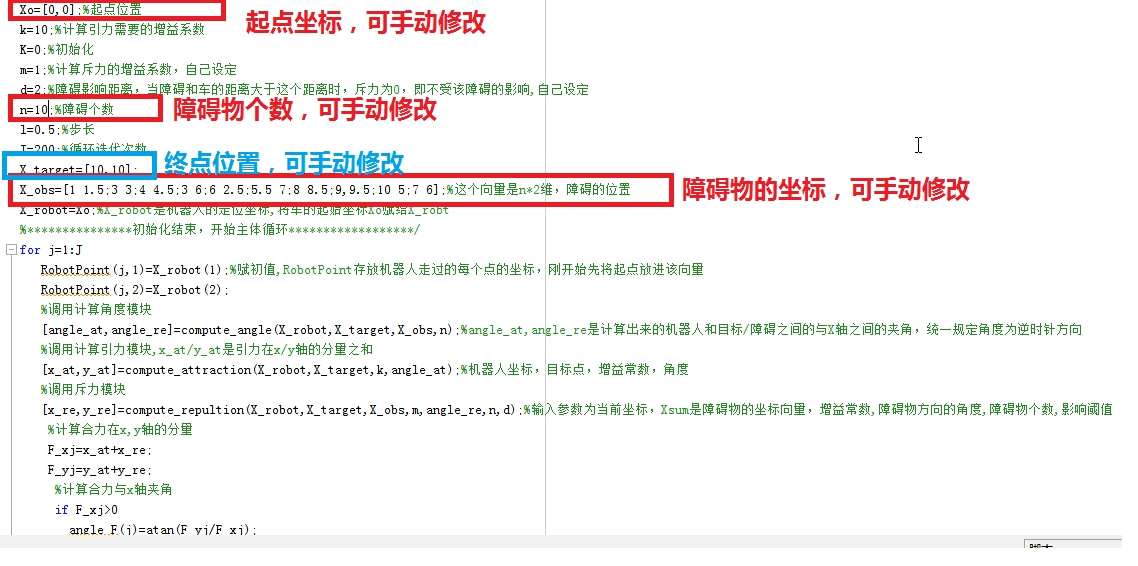
不同路径规划算法在Matlab里都有着独特的实现逻辑,通过理解和调整这些代码,我们能更好地应用它们解决实际问题。无论是在机器人路径规划,还是物流配送路线优化等场景,这些算法都大有用武之地。


北京人形旗下天工造物具身智能开源社区,聚焦具身天工与慧思开物两大平台
更多推荐
 11
11 0
0- 0


 已为社区贡献9条内容

所有评论(0)