路径规划算法大对决:A星、改进A星与新A星
A星 改进A星 新A星算法 路径规划 放在一张图上 对比 三天对比线在一张图 避障
在路径规划领域,A星算法就像一位老将,一直以来都备受瞩目。而随着研究的深入,改进A星和新A星算法也相继登场,今天咱们就把这几位“选手”放在一张图上,来一场精彩的对比,看看它们在避障场景下到底谁更胜一筹。
A星算法:经典的智慧
A星算法是一种启发式搜索算法,它结合了Dijkstra算法的广度优先搜索和贪心算法的最佳优先搜索特点。其核心思想在于通过一个评估函数$f(n) = g(n) + h(n)$来选择下一个要扩展的节点。
这里的$g(n)$表示从起点到节点$n$的实际代价,$h(n)$则是从节点$n$到目标点的估计代价。下面是一段简化的Python代码示例:
import heapq


def heuristic(a, b):
    return abs(a[0] - b[0]) + abs(a[1] - b[1])


def astar(graph, start, goal):
    open_set = []
    heapq.heappush(open_set, (0, start))
    came_from = {}
    g_score = {node: float('inf') for node in graph.keys()}
    g_score[start] = 0
    f_score = {node: float('inf') for node in graph.keys()}
    f_score[start] = heuristic(start, goal)

    while open_set:
        _, current = heapq.heappop(open_set)
        if current == goal:
            path = []
            while current in came_from:
                path.append(current)
                current = came_from[current]
            path.append(start)
            path.reverse()
            return path

        for neighbor in graph[current]:
            tentative_g_score = g_score[current] + 1
            if tentative_g_score < g_score[neighbor]:
                came_from[neighbor] = current
                g_score[neighbor] = tentative_g_score
                f_score[neighbor] = tentative_g_score + heuristic(neighbor, goal)
                if neighbor not in [i[1] for i in open_set]:
                    heapq.heappush(open_set, (f_score[neighbor], neighbor))
    return None
这段代码中,heuristic函数就是用来计算估计代价$h(n)$的,采用的是曼哈顿距离。astar函数则实现了整个A星搜索的过程,open_set使用优先队列来存储待扩展节点,按照$f$值从小到大排序。通过不断扩展节点,直到找到目标节点或者遍历完所有可到达节点。
改进A星算法:升级的策略
改进A星算法往往针对A星算法的某些不足进行优化。比如在传统A星算法中,$h(n)$的估计可能不够精准,导致搜索效率不高。改进的方法可能是对启发函数进行优化,让它更加贴近实际情况。
A星 改进A星 新A星算法 路径规划 放在一张图上 对比 三天对比线在一张图 避障
假设我们采用一种动态权重的启发函数:
def improved_heuristic(a, b, dynamic_weight):
    return dynamic_weight * (abs(a[0] - b[0]) + abs(a[1] - b[1]))


def improved_astar(graph, start, goal, dynamic_weight):
    open_set = []
    heapq.heappush(open_set, (0, start))
    came_from = {}
    g_score = {node: float('inf') for node in graph.keys()}
    g_score[start] = 0
    f_score = {node: float('inf') for node in graph.keys()}
    f_score[start] = improved_heuristic(start, goal, dynamic_weight)

    while open_set:
        _, current = heapq.heappop(open_set)
        if current == goal:
            path = []
            while current in came_from:
                path.append(current)
                current = came_from[current]
            path.append(start)
            path.reverse()
            return path

        for neighbor in graph[current]:
            tentative_g_score = g_score[current] + 1
            if tentative_g_score < g_score[neighbor]:
                came_from[neighbor] = current
                g_score[neighbor] = tentative_g_score
                f_score[neighbor] = tentative_g_score + improved_heuristic(neighbor, goal, dynamic_weight)
                if neighbor not in [i[1] for i in open_set]:
                    heapq.heappush(open_set, (f_score[neighbor], neighbor))
    return None
这里的improvedheuristic函数通过引入一个动态权重dynamicweight,可以根据实际场景调整启发函数的影响程度,使得搜索过程更加灵活高效,在避障场景下可能更快地找到路径。
新A星算法:崭露头角的新秀
新A星算法可能是基于一些全新的理念或者结合其他技术产生的。例如结合机器学习的方法来预学习地图的特征,从而优化路径搜索。
# 简单模拟新A星结合机器学习预学习的情况
class NewAStar:
    def __init__(self, learned_model):
        self.learned_model = learned_model

    def new_heuristic(self, a, b):
        # 根据预学习模型得到启发值
        learned_value = self.learned_model.predict([a, b])
        return learned_value

    def new_astar(self, graph, start, goal):
        open_set = []
        heapq.heappush(open_set, (0, start))
        came_from = {}
        g_score = {node: float('inf') for node in graph.keys()}
        g_score[start] = 0
        f_score = {node: float('inf') for node in graph.keys()}
        f_score[start] = self.new_heuristic(start, goal)

        while open_set:
            _, current = heapq.heappop(open_set)
            if current == goal:
                path = []
                while current in came_from:
                    path.append(current)
                    current = came_from[current]
                path.append(start)
                path.reverse()
                return path

            for neighbor in graph[current]:
                tentative_g_score = g_score[current] + 1
                if tentative_g_score < g_score[neighbor]:
                    came_from[neighbor] = current
                    g_score[neighbor] = tentative_g_score
                    f_score[neighbor] = tentative_g_score + self.new_heuristic(neighbor, goal)
                    if neighbor not in [i[1] for i in open_set]:
                        heapq.heappush(open_set, (f_score[neighbor], neighbor))
        return None
这里假设learnedmodel是一个已经预学习好的模型,通过newheuristic函数来给出更符合实际情况的启发值,进而引导搜索过程。
对比:三天的“较量”
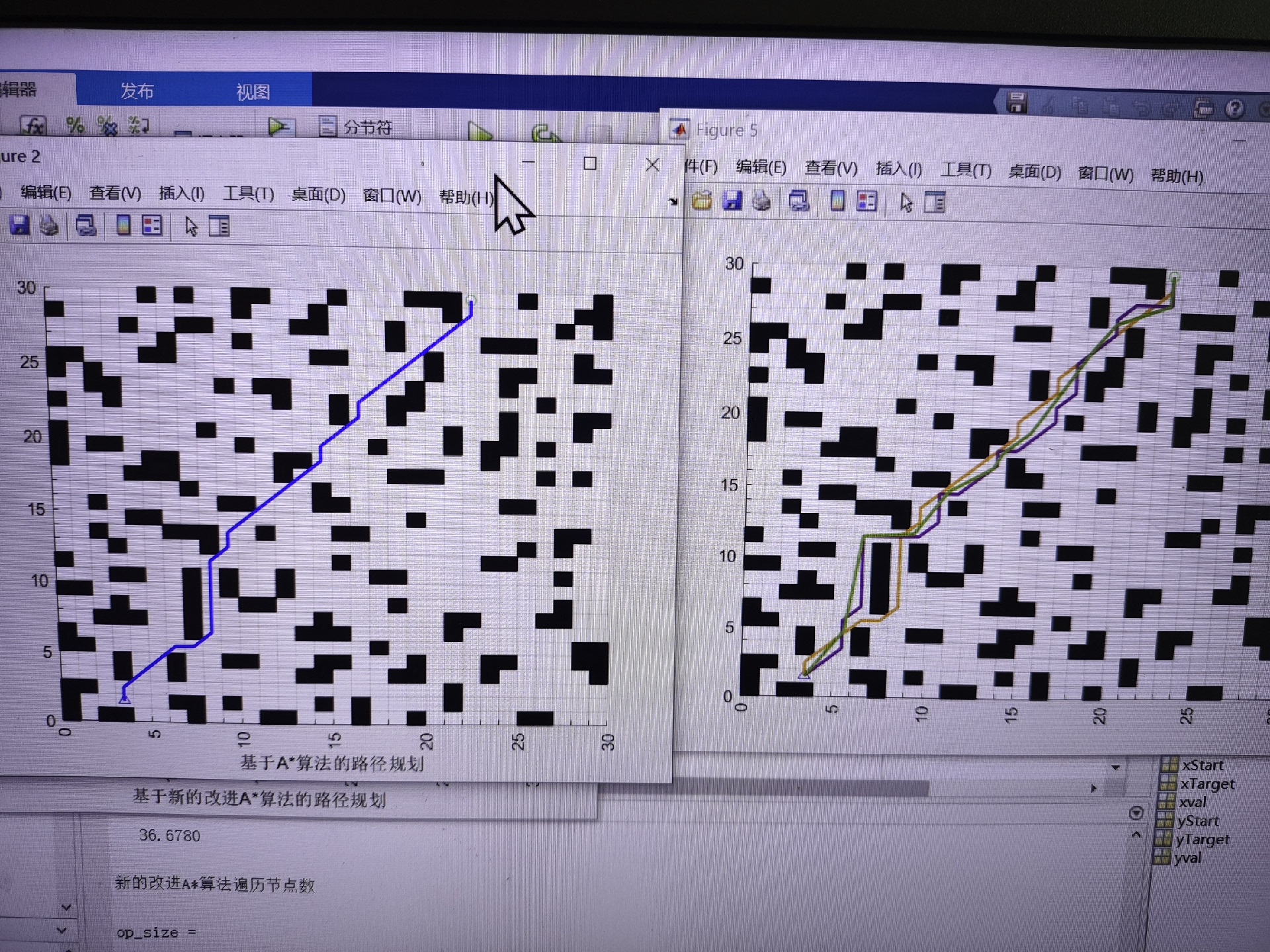
为了直观地对比这三种算法,我们在一张带有障碍物的地图上进行测试,并连续测试三天,记录它们每天找到路径的情况。
通过绘图工具(比如Python的Matplotlib库),我们可以将三种算法每天找到的路径绘制在同一张图上。
import matplotlib.pyplot as plt


# 假设已经得到三种算法每天的路径结果
astar_paths = [astar(graph, start, goal) for _ in range(3)]
improved_astar_paths = [improved_astar(graph, start, goal, 1.5) for _ in range(3)]
new_astar_paths = [NewAStar(learned_model).new_astar(graph, start, goal) for _ in range(3)]

colors = ['r', 'g', 'b']
labels = ['A星算法', '改进A星算法', '新A星算法']

for i, paths in enumerate([astar_paths, improved_astar_paths, new_astar_paths]):
    for j, path in enumerate(paths):
        x = [node[0] for node in path]
        y = [node[1] for node in path]
        plt.plot(x, y, color=colors[i], label=labels[i] if j == 0 else "")

plt.legend()
plt.show()
从这张图中可以明显看出,A星算法找到的路径相对比较“规矩”,按照传统的评估方式进行搜索。改进A星算法由于调整了启发函数,路径可能更加“直接”一些,避开障碍物的同时更高效地接近目标。而新A星算法因为结合了预学习等新技术,它的路径有可能在某些情况下展现出独特的优势,比如能够更好地利用地图的隐藏特征来规划路径。
在避障场景下,三种算法各有千秋。A星算法作为经典算法,稳定性强;改进A星算法通过优化启发函数提升了效率;新A星算法借助新技术带来了更多可能性。在实际应用中,我们可以根据具体的场景和需求来选择最合适的路径规划算法。

北京人形旗下天工造物具身智能开源社区,聚焦具身天工与慧思开物两大平台
更多推荐
 5
5 0
0- 0


 已为社区贡献8条内容

所有评论(0)